March 23, 2026/
7 Comments
You spend more time in your office than almost anywhere else. Your clients judge you the second they step through...

If you are opening a salon in DHA Phase 5, a café in Gulberg III or an office in F-11, do not choose an interior designer by looking only at decorative photographs. A business space has staff routes, equipment loads, customer queues, cleaning cycles and an opening date. Those are design problems. Marble samples come later.
A commercial interior designer plans for work. The test is not whether the room looks good in a photograph. The test is whether your team can run the business inside it for a full day without blocking the customer or damaging the finish.
Ask for completed commercial projects in the same sector. Salons need wash areas and product storage. Cafés need service routes and equipment planning. Offices need workstation layouts and power. A designer who cannot show commercial work may not have solved any of these problems.
Finishes that fail under commercial footfall . A surface that survives occasional private use may fail under daily cleaning, trolleys and customer traffic. Ask what material was used, where it was installed and how it is maintained. Get the answer on the finish schedule.
The plan may look clean because it shows nobody working. Trace the real route from delivery point to storage, service area, waste collection and staff exit. If two people cannot pass on paper, they will not pass comfortably on site.
Lighting, air-conditioning, heaters, dryers, extraction and specialist equipment all need capacity. Ask for the load schedule and MEP drawings before work starts. A socket added after the wall is painted is not a design process.
A late handover can mean delayed opening, cancelled bookings and staff waiting without work. On one project, an opening date was discussed before the drawings and material lead times were settled. Everyone remembered the date. Nobody owned the missing decisions.
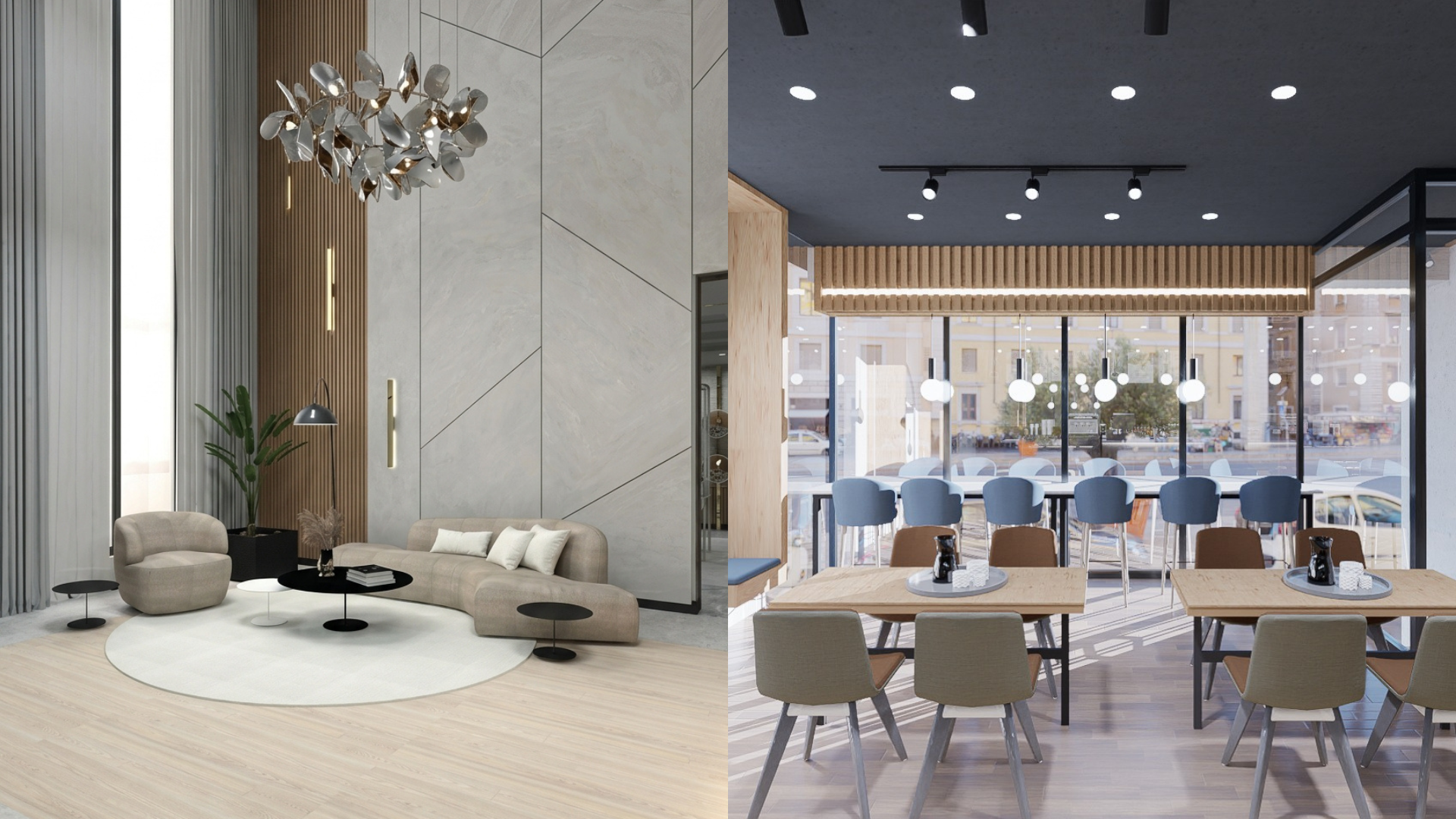
Ask for projects similar to yours. Check the sector, city, floor area and scope. The best project for you may not be the one with the most dramatic photographs.
Get a list. It may include dimensioned plans, ceiling plans, electrical drawings, plumbing information, joinery details and finish schedules. Confirm who prepares them and who checks revisions.
Ask whether the fee covers concept design, drawings, site visits, procurement support, contractor coordination and handover. Exclusions should be written down. If they are not, they become an argument later.
The fee may be a percentage, a per-square-foot rate or a fixed amount. Munaqash should confirm its current approach and figures before publication: [VERIFY: fee methods and figures]. The scope matters more than the label.
Ask who updates the programme, how delays are recorded and what remedy applies. If the contract says nothing, the opening date is only a conversation.
Clarify who orders, who checks samples, who receives deliveries and who carries the risk of damage or shortage. Do not leave this under “as required”.
Use a written variation process. A change to one wall can affect drawings, stock, labour and the opening date. Approve the cost and time effect before the work is done.
Ask how defects are listed, who fixes them and how long the contractor remains responsible. Handover is not the day phone calls stop being returned.
You should read it first. Check scope, drawing list, fee, payment stages, programme, approvals, variations, defects, delay terms and termination rights. If the project is material to your business, have a lawyer review the agreement.
A designer may charge a percentage of project value, a per-square-foot rate or a fixed fee. None of these is automatically safe or unsafe. The risk sits in the scope.
Munaqash should confirm the current fee structures and figures here: [VERIFY: charging methods and fee ranges]. The agreement should also state what happens when the area, finish level or work package changes.
Be cautious when there is no drawing list, no payment schedule, no variation process, no delay language, no defect period or no description of material responsibility. Be equally cautious when the quotation says “as required” without saying who decides what is required. A large advance may have a legitimate reason. Tie it to a stage you can check. Money should leave your account against defined work, not against reassurance.
Choose a designer when you need planning, drawings and material decisions. Choose a contractor when the drawings and scope are already clear and you can manage coordination. Choose a turnkey fit-out partner when one party must coordinate design and construction. Read more about turnkey fit-out services. Even with a turnkey partner, read the scope. One responsible party does not mean an undefined project.
Check completed commercial work, technical drawings, fee scope, programme controls, MEP capability and contract terms. Photographs are only one part of the check.
Only if the designer can show relevant commercial work and explain the technical decisions behind it. A portfolio without commercial projects is not enough.
It should describe the work, drawings, fees, payment stages, changes, programme, materials, defects and handover.
Neither is automatically better. The written scope and payment terms matter more than the charging label.
That depends on your time, technical capacity and appetite for coordination. A turnkey arrangement gives you one party to manage, but the scope still needs to be written clearly.
Confirm Munaqash’s current fee methods and ranges. Confirm the drawing package expected for each project type. Confirm any standard programme, delay or snagging terms the company is willing to publish.
You spend more time in your office than almost anywhere else. Your clients judge you the second they step through...
Table of Contents Walk into the wrong office and you feel it instantly — something’s off, energy’s flat, and no...
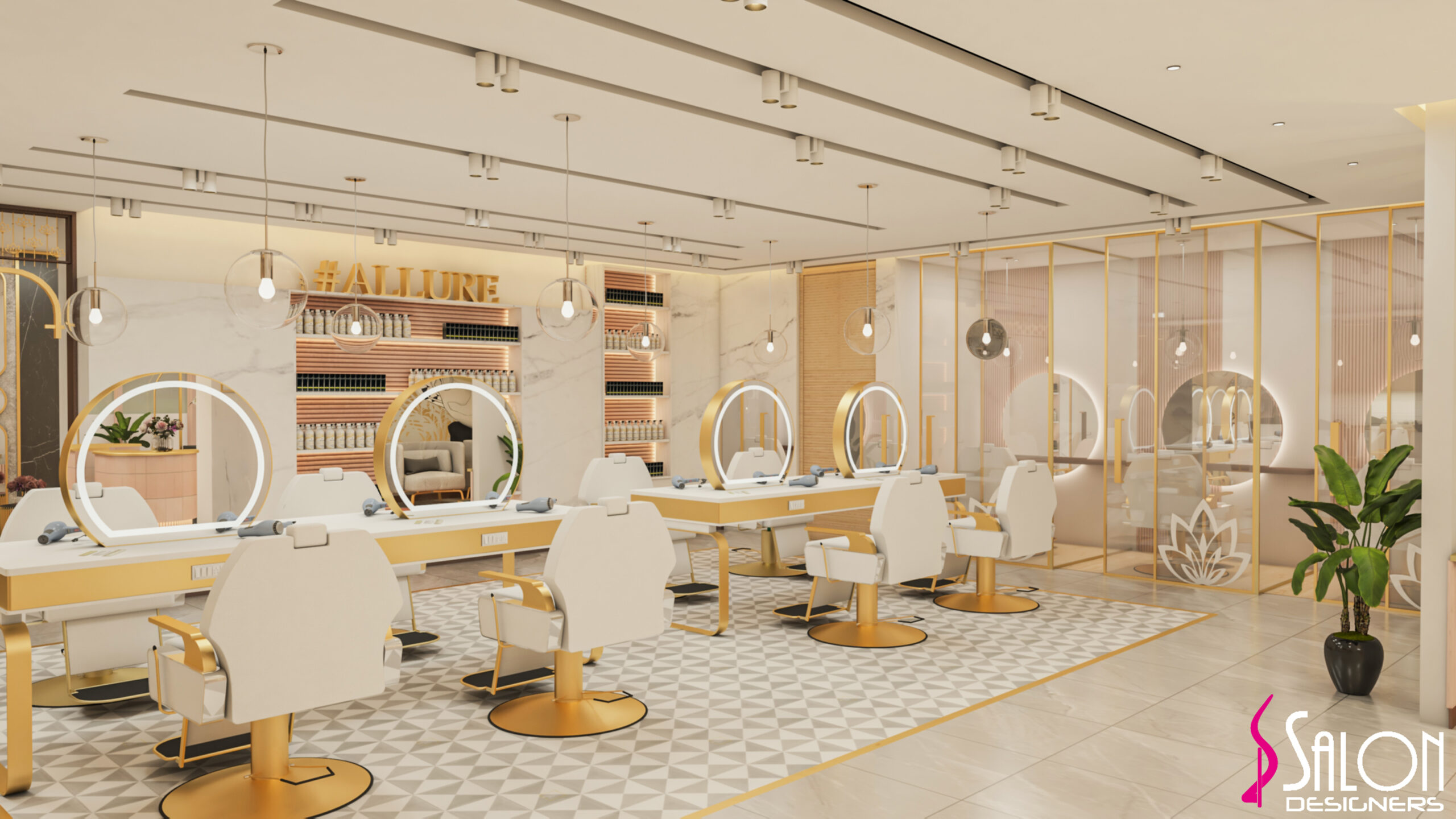
A salon today sells an experience, not just a service. Thoughtful salon interior design builds trust and comfort the moment...
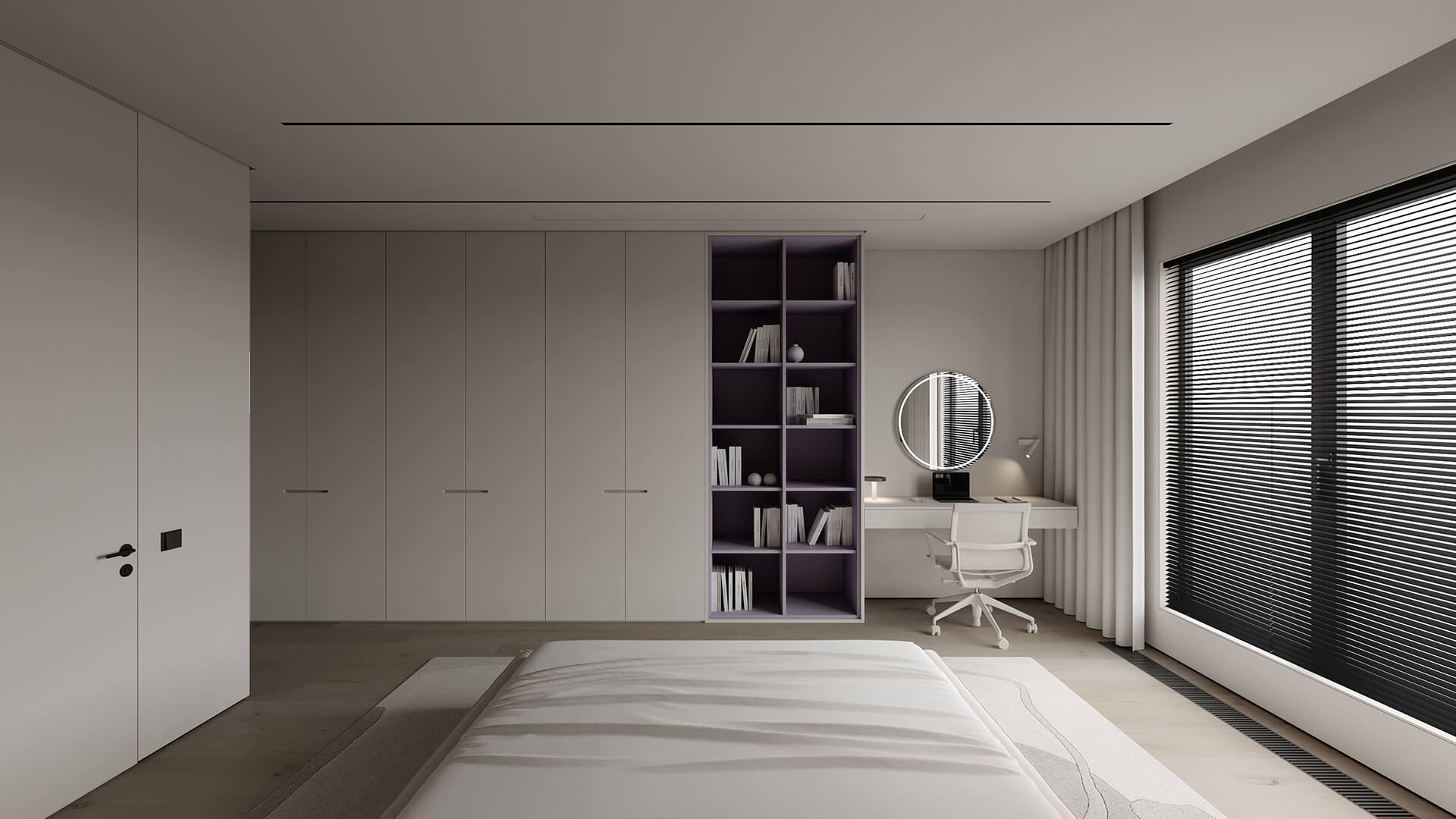
Finding the right interior designer near you starts with knowing what actually matters — not just browsing photos. Professional design...
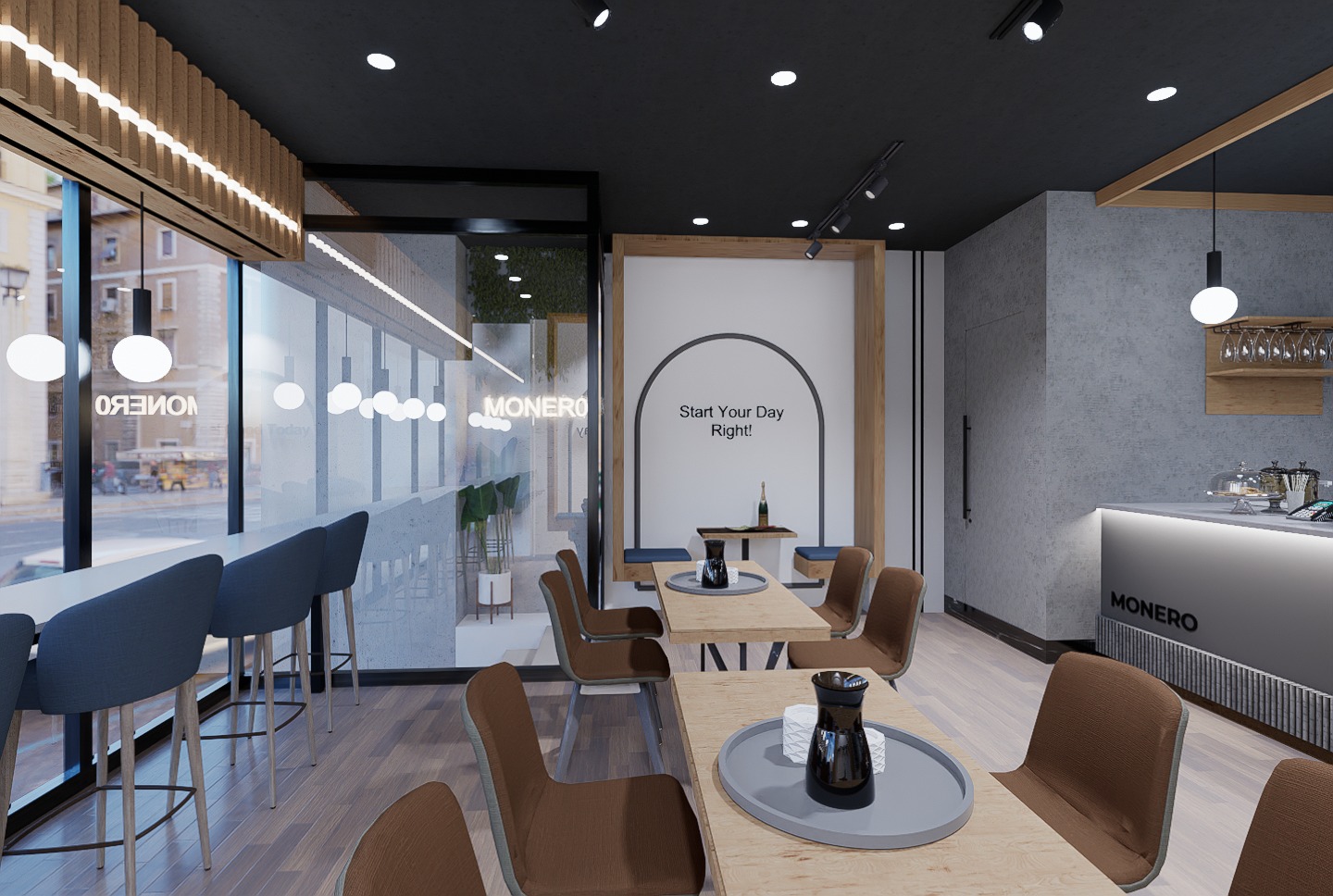
In a competitive food market, the space matters as much as the menu. Good cafe interior design in Pakistan shapes...
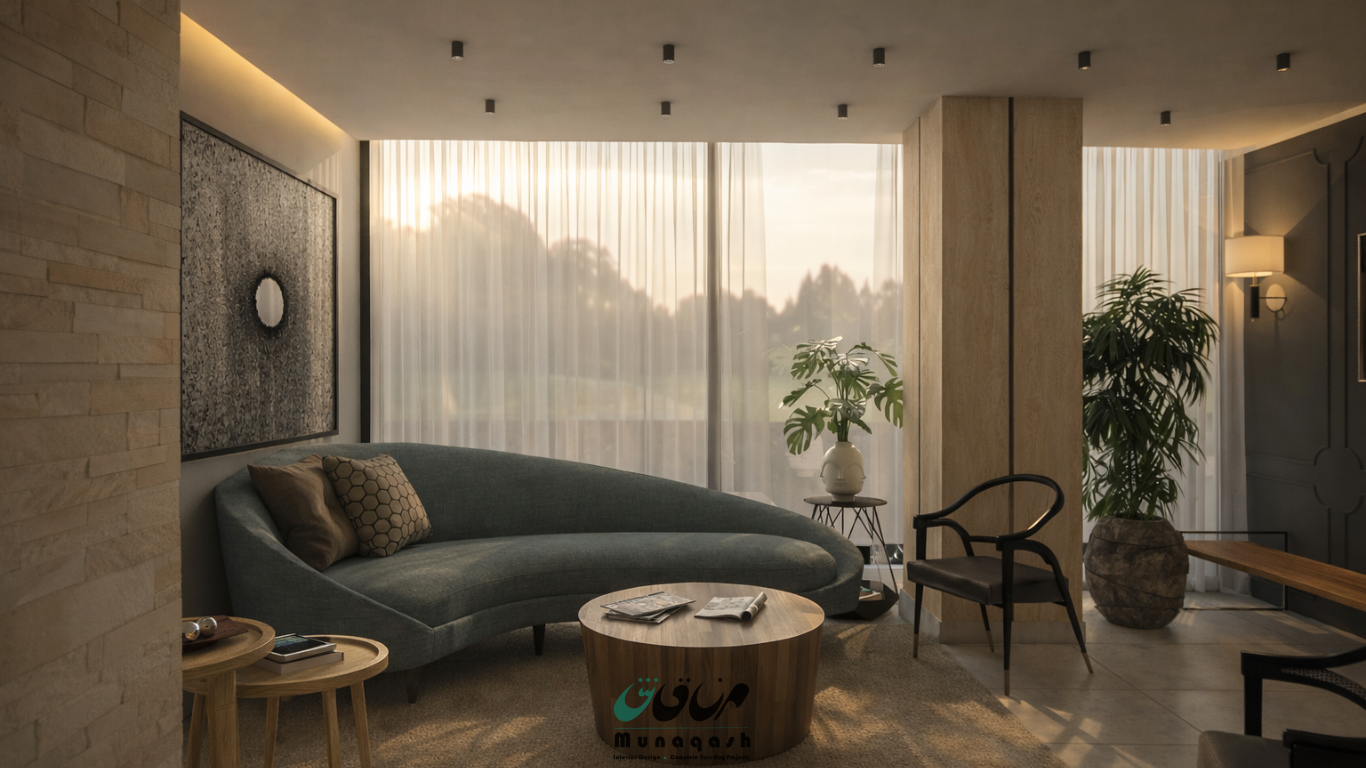
If you’re in Islamabad and thinking about redesigning a space, you’ve probably already searched for interior design companies or an...
First impressions matter more than ever. Whether someone walks into a restaurant, office, retail outlet, café, or corporate space, the...
Workspaces are no longer just places where employees sit behind desks for hours. Businesses now understand that office environments directly...
Picking the right interior design style for a commercial space is less about personal taste and more about what the...