March 23, 2026/
7 Comments
You spend more time in your office than almost anywhere else. Your clients judge you the second they step through...

If you’ve typed “architects in Lahore” into Google this week, you’re probably not looking for a definition. You’re looking at a space, a new office floor, a salon shell, or a restaurant unit that used to be something else entirely and trying to figure out who actually gets you from empty concrete to opening day without three months of confusion in between.
That’s a fair thing to want clarity on, because the word “architect” gets used loosely in this market. Some listings under that search term are architects in the strict, registered sense. Others are interior designer in Lahore. A few are decorators with a nice Instagram feed and no real construction experience. None of that is necessarily bad, but hiring the wrong one for a commercial project usually shows up later, in the form of a budget overrun or a contractor blaming the designer and the designer blaming the contractor.
In Pakistan, the term “architect” is loosely applied across a spectrum of roles that, technically, do very different jobs. A licensed architect, someone registered with the Pakistan Council of Architects & Town Planners (PCATP) deals with structural design, building code compliance, and approvals from bodies like the CDA or LDA where applicable. An interior designer works within that shell: layout, materials, lighting, and brand expression. An interior decorator, in the strict sense, is concerned mainly with aesthetic furniture, colour, soft finishes and rarely touches structural or MEP (mechanical, electrical, and plumbing) decisions at all.
For a commercial fit-out an office, a salon, a café you rarely need all three as separate hires. What you need is whoever can competently cover the parts of the job your specific project requires, without gaps falling between two contractors who each think it’s the other one’s problem.
Role | Typically Handles | Typically Doesn’t Handle |
Architect | Structure, code compliance, approvals, building envelope | Furniture selection, brand-led finishes |
Interior Designer | Space planning, materials, lighting, MEP coordination | Structural changes, statutory approvals |
Interior Decorator | Furniture, soft finishes, styling | Layout changes, technical drawings, approvals |
A turnkey fit-out studio is built to sit across that whole spectrum under one team: design, technical drawings, sourcing, and construction through to handover. For commercial clients, this matters more than the semantics of the job title, because it removes the hand-off point where most delays and disputes actually happen.
Once you’ve got a shortlist, the search term itself stops mattering much. What matters is whether the studio has actually delivered commercial work, not residential portfolios repackaged as commercial capability, which is more common than it should be.
A studio with fifty beautiful homes and two offices is a residential studio. Commercial fit-outs for offices, salons, and restaurants involve different constraints: staff workflow, customer flow, brand consistency across locations, and health and safety for public-facing spaces. Ask specifically for commercial project references, not “design work” in general.
Lahore has its own material suppliers, its own typical lead times, and its own approval bodies to navigate, depending on the building and area. A studio that’s only worked in one city can genuinely struggle with a second market’s supplier network and timelines. Ask directly: Have they delivered projects in Lahore specifically, or only in their home city?
PCATP registration matters for architectural scope. For interior design and turnkey delivery, ask instead for a clear contract structure: who’s accountable for what, what happens if a contractor underperforms, and who signs off on quality at each stage.
Proximity searches make sense for a lot of local services; you want a plumber who can show up in twenty minutes. Commercial interior design doesn’t quite work that way. A studio’s physical office location matters far less than its ability to run a project remotely: video walkthroughs, local site supervisors, and a design team that doesn’t need to be five minutes from your building to manage the work properly.
Multi-city delivery models exist precisely for this reason. A studio based in Islamabad, for instance, can run a Lahore project with the same design and project-management rigor as one down the road, provided it has an actual on-ground process for site visits, contractor coordination, and quality checks, rather than just a sales team that promises coverage.
Consideration | Architect Only | Designer + Separate Contractor | Turnkey Studio |
Speed | Slower — sequential handoffs | Moderate — dependent on coordination | Fastest — single accountable team |
Cost predictability | Variable, scope creep common | Frequent change-order disputes | Fixed scope, fewer surprises |
Accountability | Split across parties | Split, often contested | Single point of contact |
Design consistency | High for structure, low for finish | Depends on communication | Consistent end-to-end |
Best suited for | New builds, structural work | Clients wanting hands-on control | Businesses wanting one team, one timeline |
Munaqash runs commercial fit-outs corporate offices, salons and spas, restaurants and cafés from concept through to handover, under one team rather than a chain of separate contractors. The studio is based in Islamabad and delivers across Rawalpindi, Lahore, and Karachi, using 3D design and visualization to get sign-off before construction starts, not after.
If you’re comparing an architect, an interior designer in lahore, or a full turnkey studio for a Lahore project, it’s worth having that conversation with someone who’s actually run the numbers on all three.
Explore corporate office interior design, salon and spa interior design, or restaurant and café interior design, or take a look at past projects before booking a consultation.
FAQs
Is an architect the same as an interior designer?
No. An architect typically handles structure, building code compliance, and approvals. An interior designer works within the existing structure on layout, materials, and finishes. Commercial projects often need both roles covered, whether by separate specialists or one turnkey team.
Do I need a PCATP-registered architect for a commercial fit-out?
Only if the project involves structural changes or requires statutory building approvals. Most interior fit-outs within an existing shell don’t require a registered architect, but structural or facade work usually does.
How is a turnkey fit-out studio different from hiring an architect and contractor separately?
A turnkey studio manages design, sourcing, and construction under one accountable team. Hiring separately means coordinating multiple parties yourself, which increases the risk of delays and disputes over scope.
Can a studio based in Islamabad deliver a project in Lahore properly?
Yes, provided it has an established process for on-ground supervision, local supplier relationships, and regular client walkthroughs — not just a design team working remotely with no local execution plan.
What should I ask before hiring an interior designer in Lahore?
Ask for commercial (not residential) references, a clear breakdown of what’s included in the quote, expected timelines with reasons for any long lead items, and who is accountable if a contractor underperforms.
How long does a typical commercial interior fit-out take?
This varies by scope and size, but most commercial fit-out offices, salons, and small restaurants run from a few weeks for design and approvals to several weeks for construction, depending on material lead times and site conditions.
You spend more time in your office than almost anywhere else. Your clients judge you the second they step through...
Table of Contents Walk into the wrong office and you feel it instantly — something’s off, energy’s flat, and no...
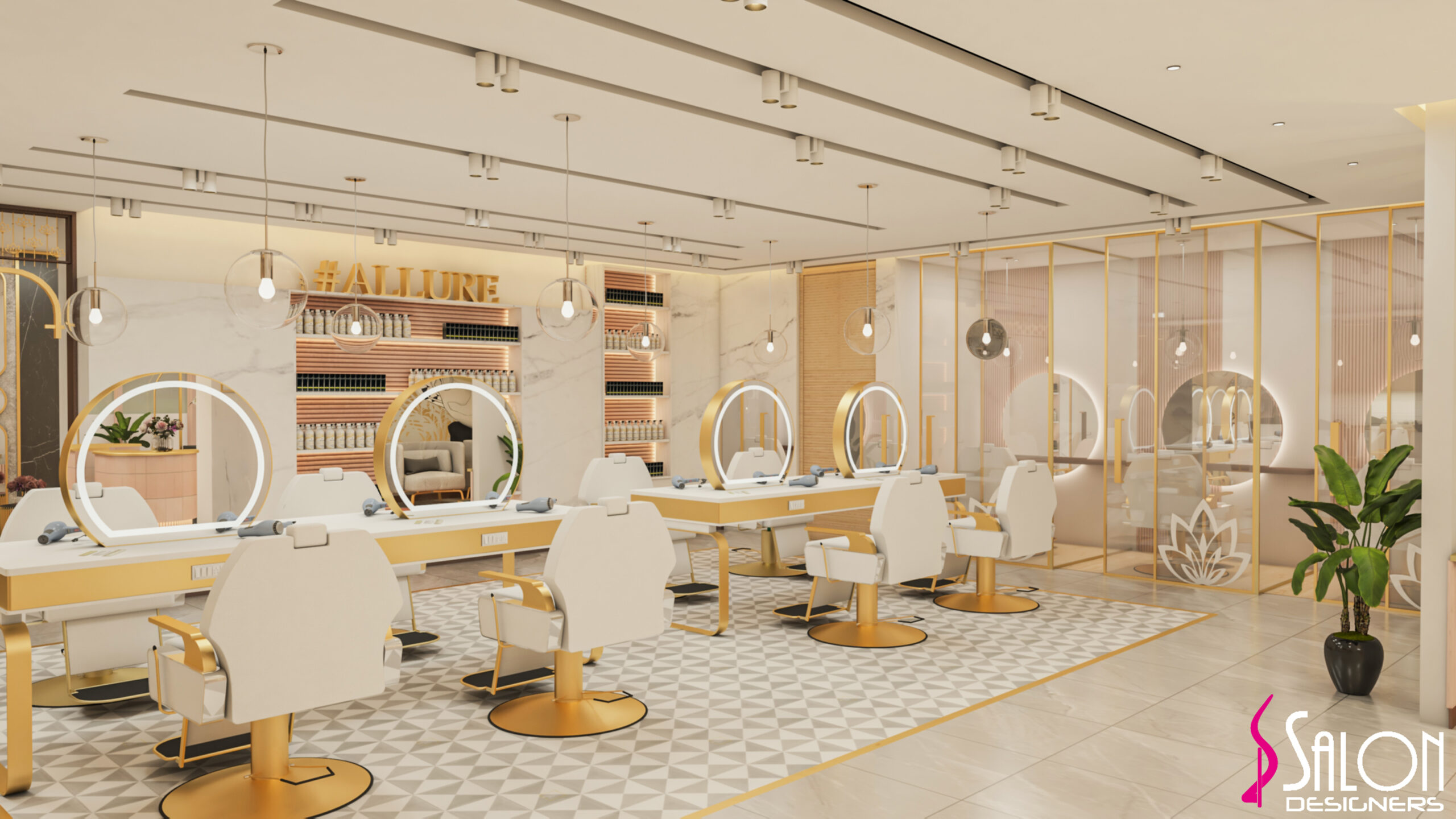
A salon today sells an experience, not just a service. Thoughtful salon interior design builds trust and comfort the moment...
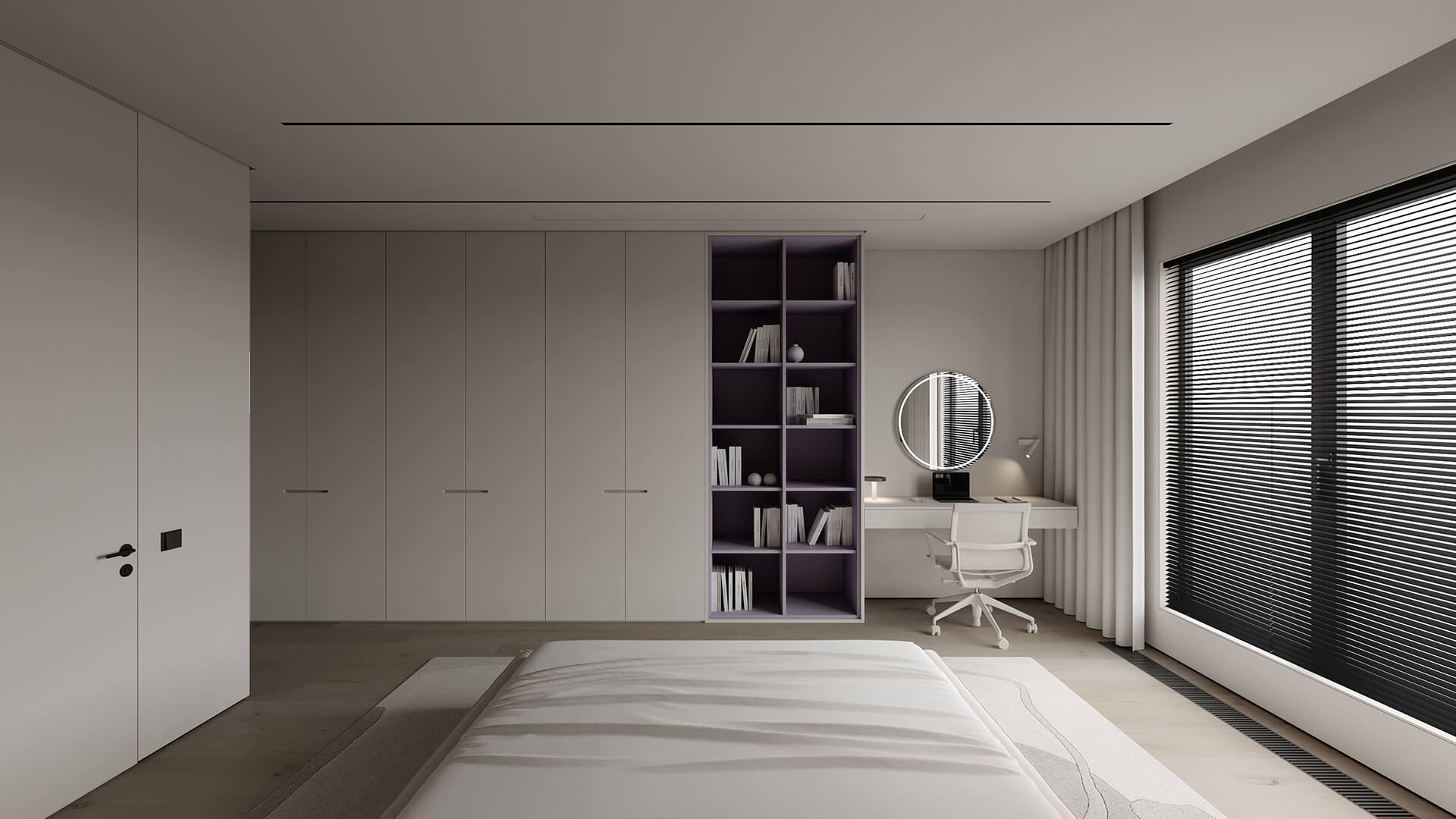
Finding the right interior designer near you starts with knowing what actually matters — not just browsing photos. Professional design...
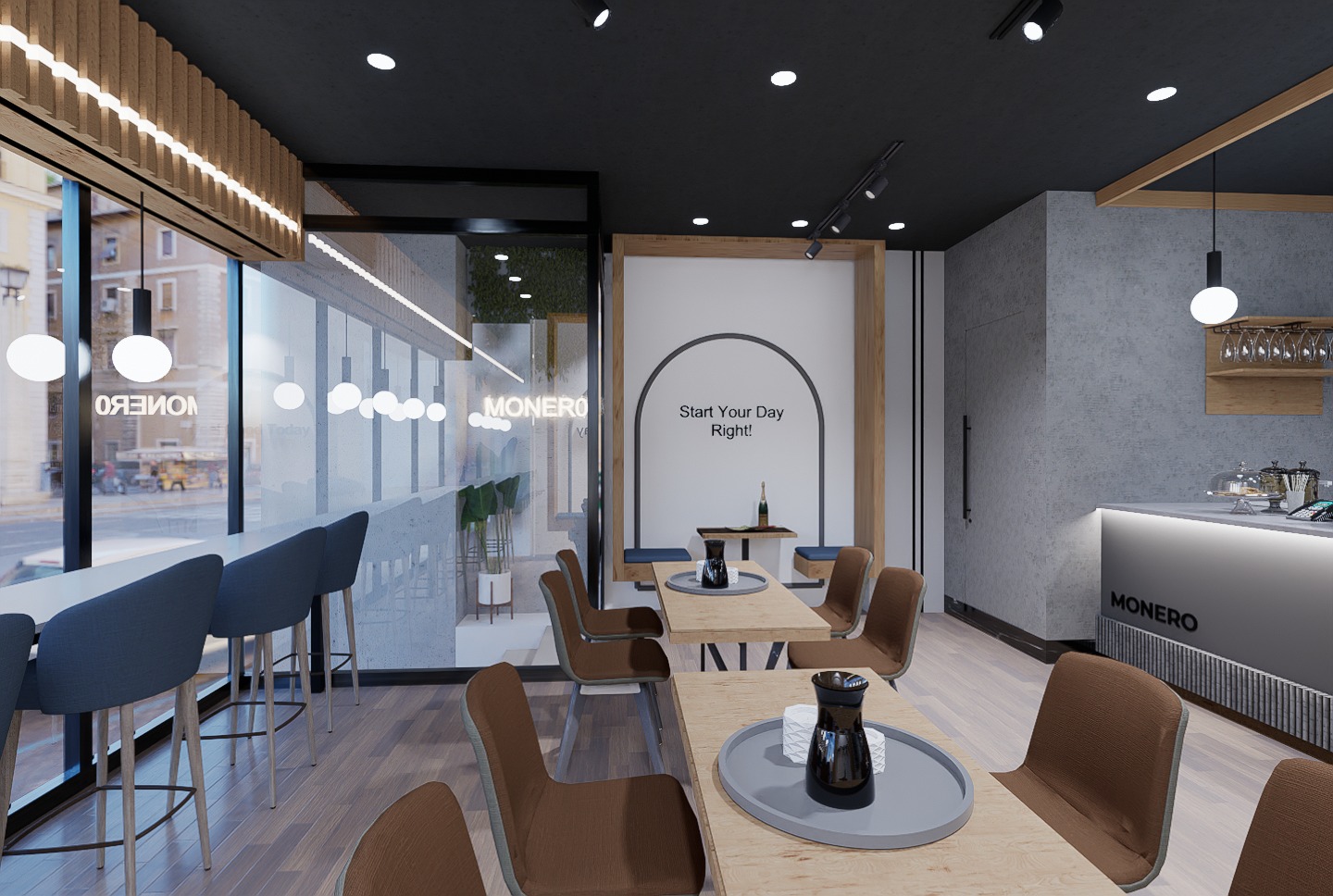
In a competitive food market, the space matters as much as the menu. Good cafe interior design in Pakistan shapes...
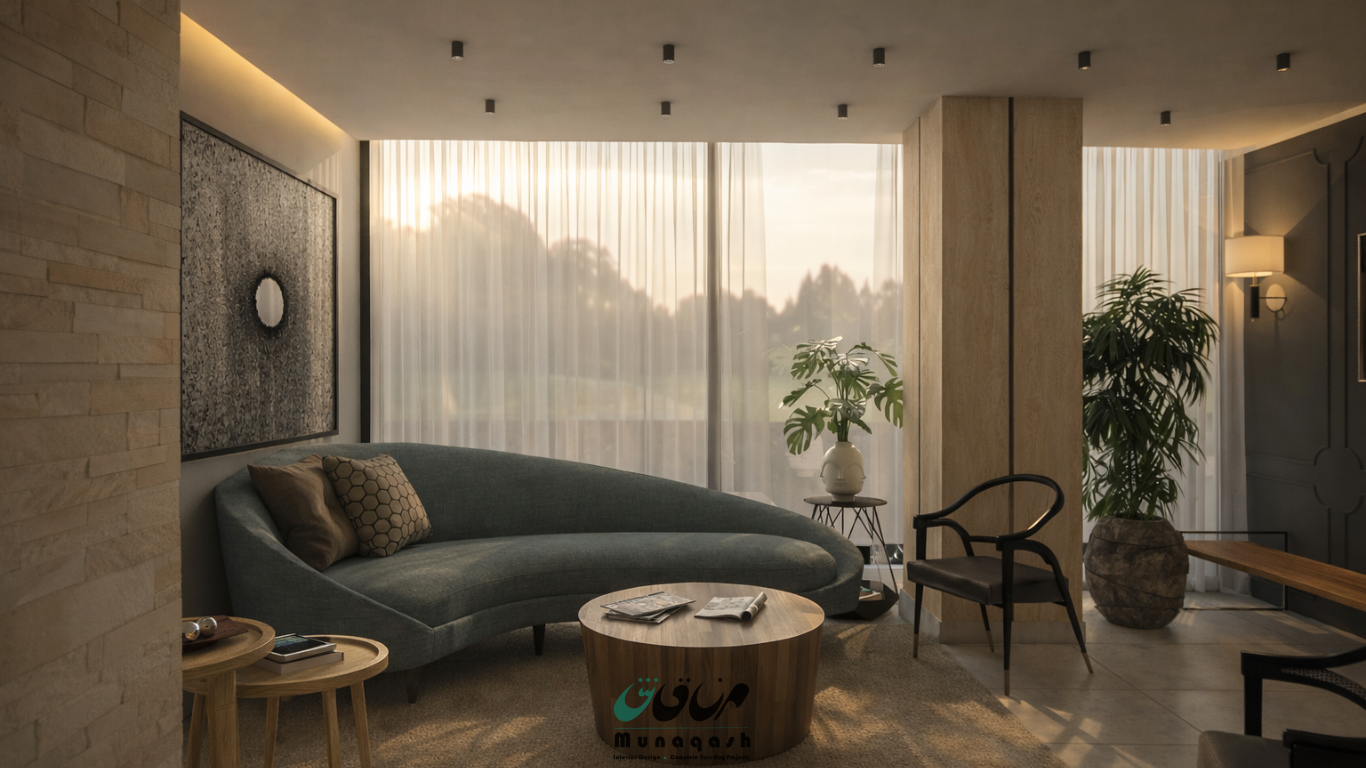
If you’re in Islamabad and thinking about redesigning a space, you’ve probably already searched for interior design companies or an...
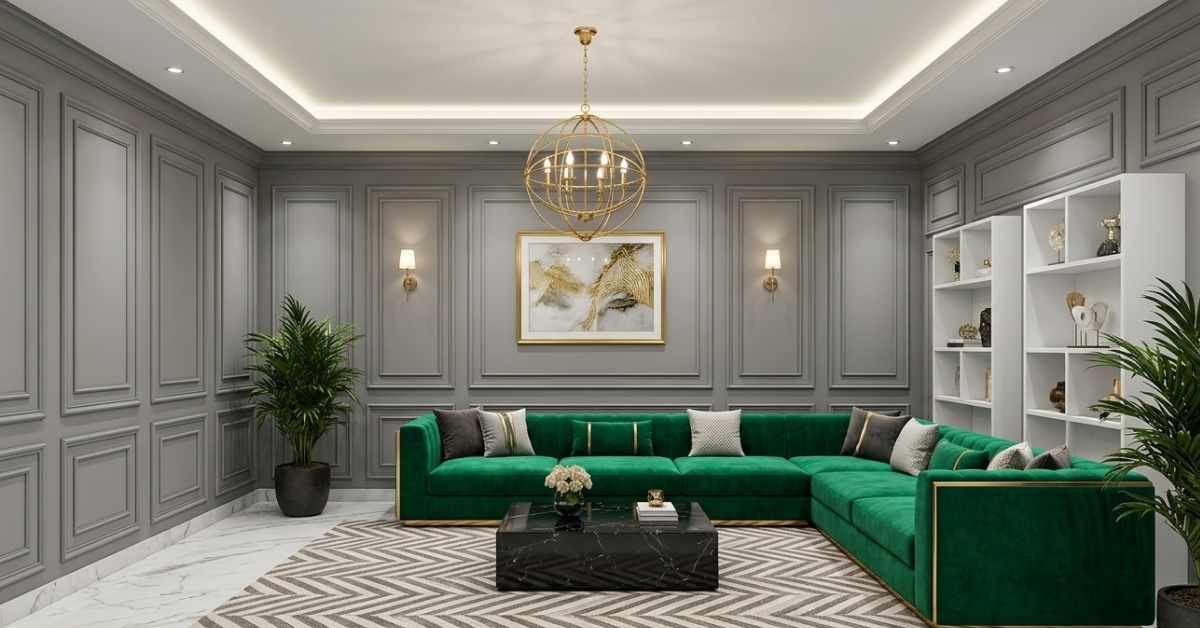
First impressions matter more than ever. Whether someone walks into a restaurant, office, retail outlet, café, or corporate space, the...
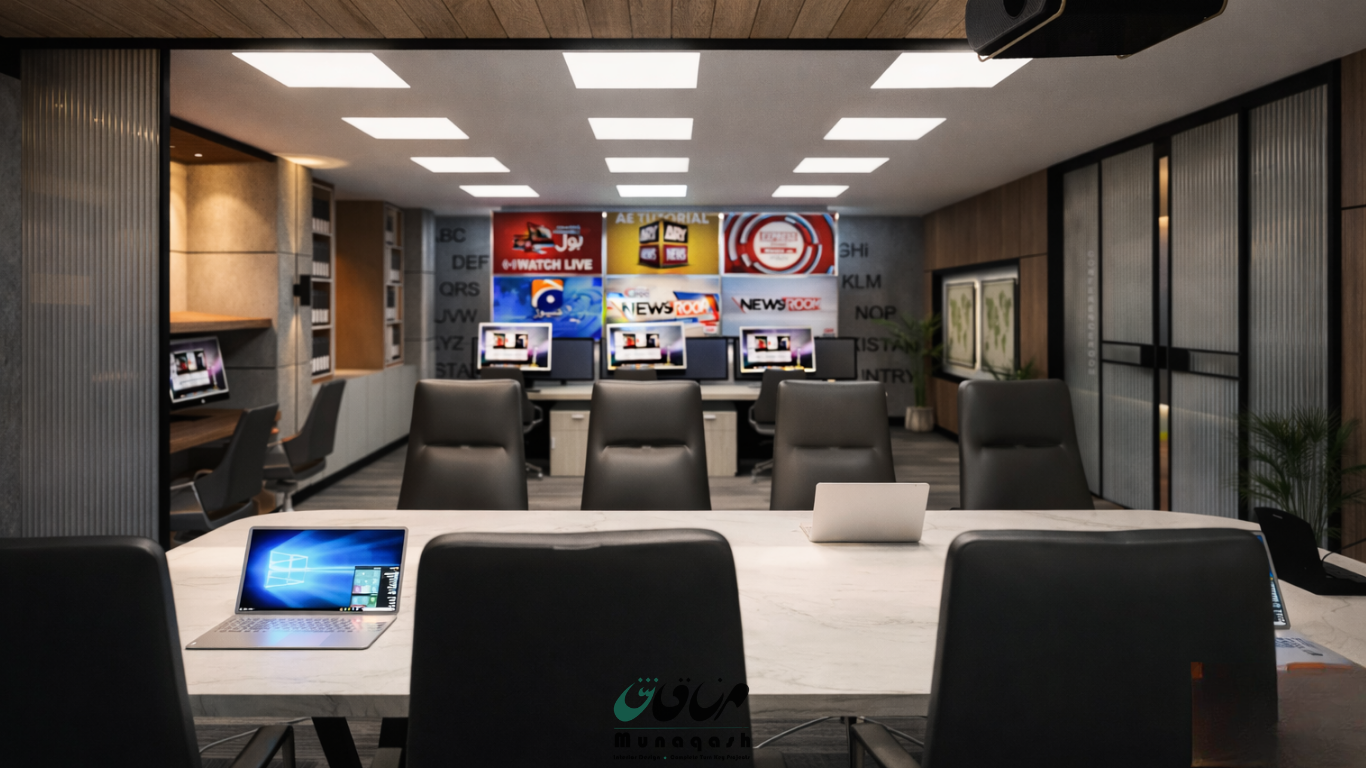
Workspaces are no longer just places where employees sit behind desks for hours. Businesses now understand that office environments directly...
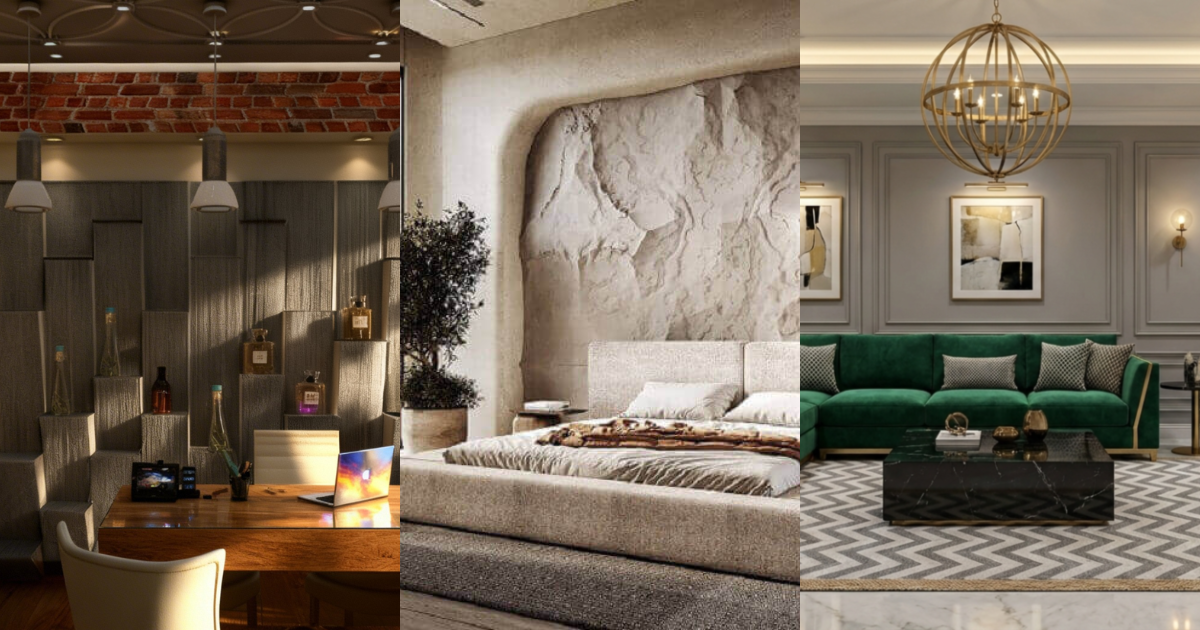
Picking the right interior design style for a commercial space is less about personal taste and more about what the...