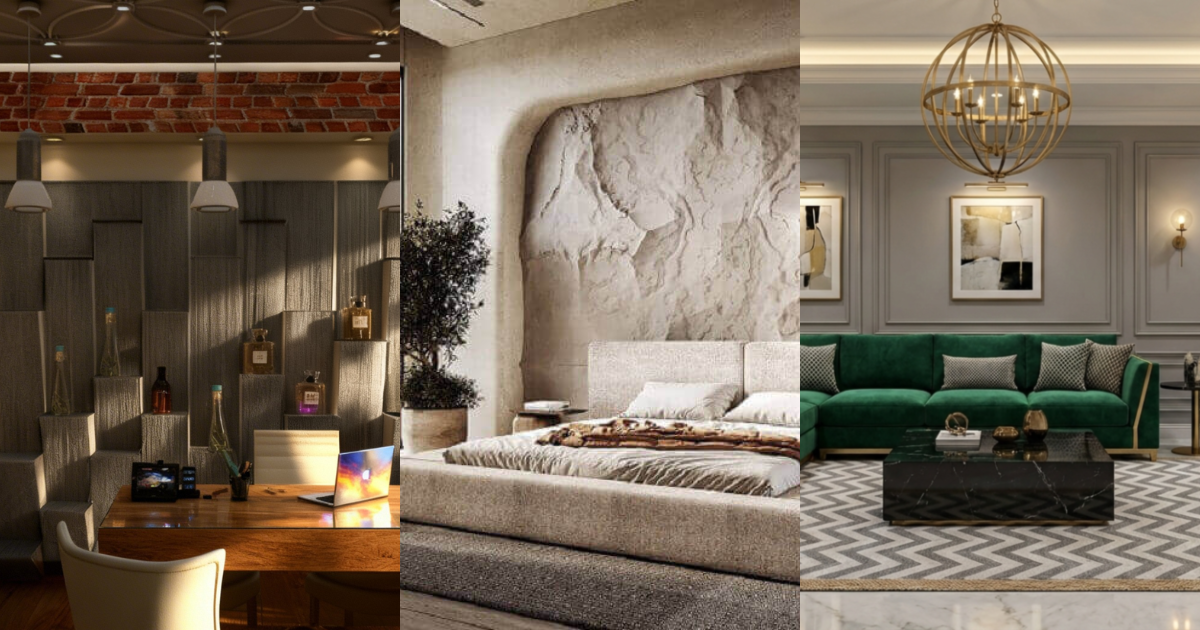
You spend more time in your office than almost anywhere else. Your clients judge you the second they step through the door. Your team performs at the level the environment allows them to. And yet, most offices in Islamabad and Rawalpindi are designed like nobody thought about any of that.
Harsh tube lighting. Rows of identical workstations. A reception counter that signals bureaucracy rather than credibility. These are not just aesthetic problems. They are business problems, and they compound quietly over time.
Good office interior design changes all of that. Not through expensive renovation for its own sake, but through considered decisions about space, light, materials, and movement that make work genuinely better.
How Office Interior Design Affects Productivity — and Why Most Offices Get It Wrong
The connection between workspace quality and employee output is well-documented in environmental psychology research. Three things determine most of it: lighting, acoustics, and layout. Most offices in Pakistan handle all three badly.
Lighting
is the most immediate problem. Cool-white fluorescent overhead tubes create flat, fatiguing light that contributes to concentration loss and eye strain by early afternoon. A proper lighting scheme uses layers — ambient sources for general illumination, task lighting at workstations, and natural light wherever the floor plate allows. The productivity difference across a working day is not subtle. Neither is the impact on how the space photographs when you are trying to attract talent.
Acoustics
are what kill open-plan offices in practice. Most Pakistani commercial builds use hard surfaces throughout — exposed concrete, glass partitions, polished floors, low ceilings. Sound travels freely across entire floors. People cannot hold calls. Focus work becomes impossible. The fix is not to box everyone in. It is to plan acoustic treatment from day one: ceiling baffles, fabric wall panels, upholstered furniture, carpet tiles in corridors. None of this is expensive when it is specified early. All of it is expensive and disruptive to retrofit.
Layout
is where most office interior design ideas look good on paper and fail in use. The real question is not open-plan versus private offices. It is whether your space gives people the right environment for different kinds of work. Someone processing detailed financial data needs silence and visual separation. A team mid-brief needs proximity and a whiteboard. A manager taking a sensitive call needs acoustic containment. When a layout accounts for all three simultaneously, output improves across every role.
Modern Office Interior Design Trends Actually Worth Following Right Now
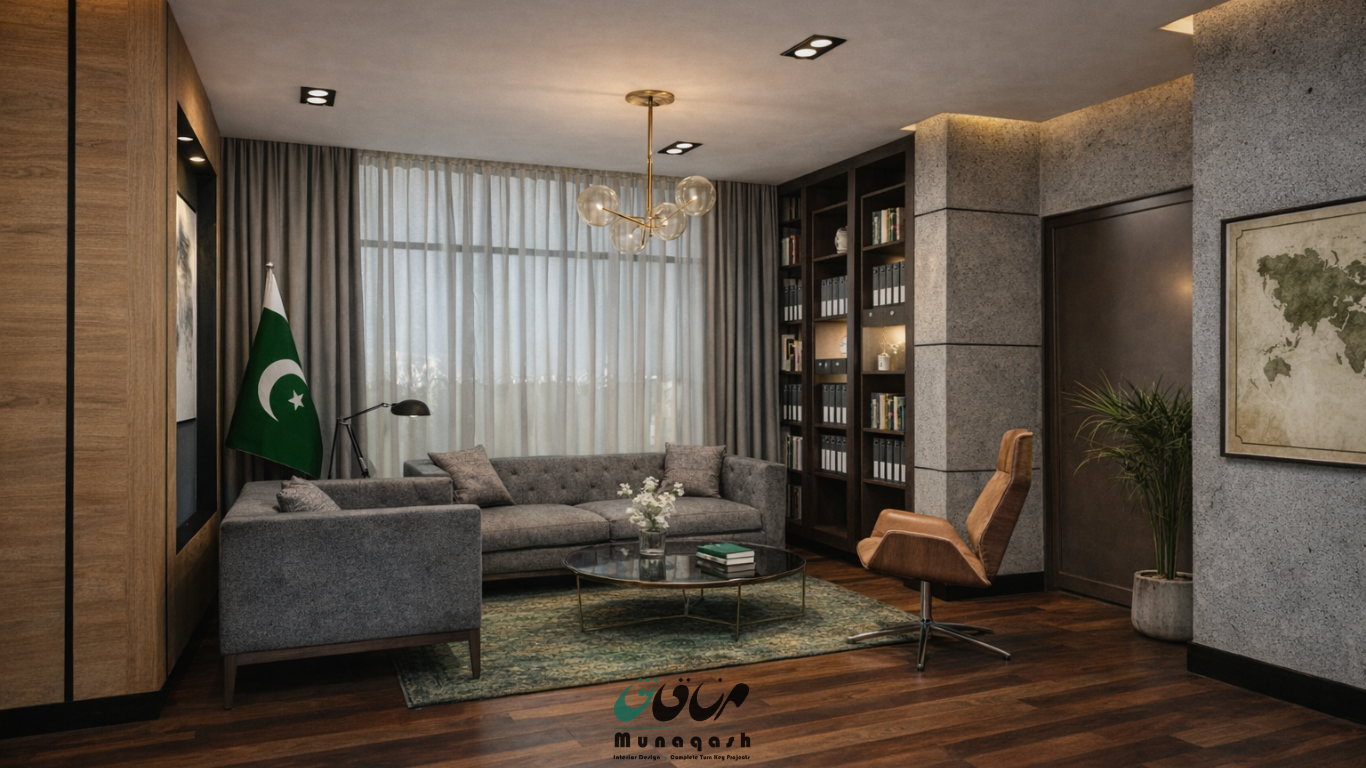
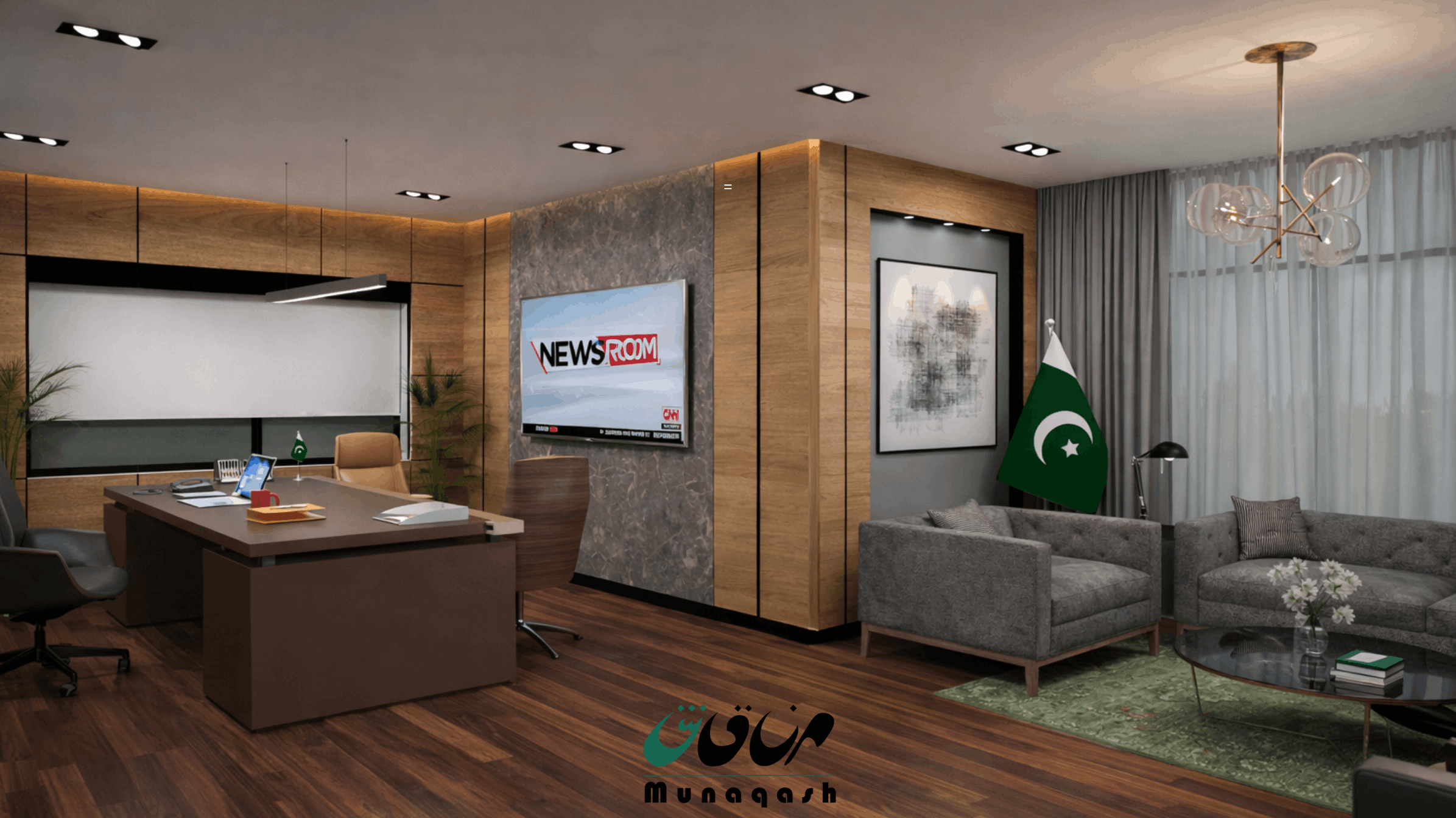
Interior design trends in Pakistan’s commercial sector have moved on considerably. Clients coming to Munaqash now arrive with specific requirements around zoning, materiality, and biophilic integration. Three trends are shaping the best offices being built in Islamabad and Rawalpindi right now.
Hybrid activity zoning
Has replaced the binary open-plan versus closed debate. The principle is to map distinct zones to distinct work types — open collaborative benches, enclosed focus rooms, structured meeting pods, informal breakout clusters — and design the transitions between them with spatial intention. Done well, people move through the floor instinctively. Done badly, it looks like someone bought furniture from four different suppliers across three different years and pushed it all together.
Biophilic integration
Is genuinely useful when applied properly, and almost universally misapplied in local builds. A row of plants near the elevator is not biophilic design. Real integration means timber-look joinery surfaces introducing warmth to breakout zones, moss wall panels that double as acoustic treatment in reception areas, stone-finish cladding that adds visual texture to flat corridor walls, and natural light access planned into the spatial strategy from the beginning. The research on cognitive function and stress in naturally integrated environments is consistent. The difference in outcome between a couple of pots and a properly considered approach is significant.
Material direction
In 2025 favours texture and weight over the high-gloss aesthetic that dominated Pakistani commercial interiors a decade ago. Fluted wood panels on feature walls. Brushed or matte metal accents rather than polished chrome. Zellige-effect ceramic tiles in cafeteria and social zones. Concrete-look surfaces used selectively and balanced against soft furnishings rather than carried through an entire floor plate. These selections perform better in high-use environments and communicate permanence rather than temporariness.
Office Interior Design in Islamabad and Rawalpindi: The Commercial Thinking Gap
There is a real difference between getting a space fitted out and commissioning genuine commercial office interior design. The gap shows up most clearly in four areas.
Reception and lobby zones
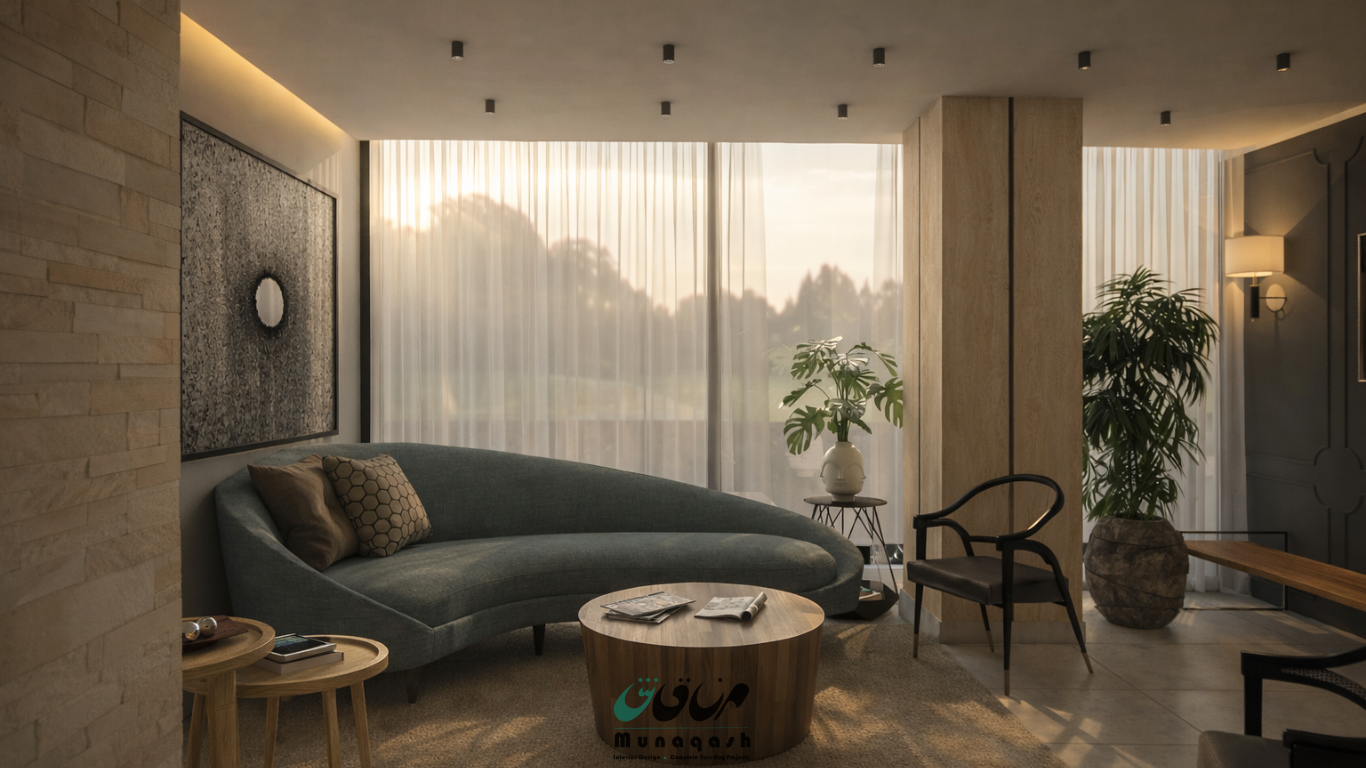
A standard fitout gives you a counter, some chairs, and your logo cut from acrylic on a wall behind it. Commercial design thinking asks different questions entirely: What is the first sightline from the entrance? How does visitor circulation flow when three people arrive simultaneously? What do the material choices communicate about this company before a single word is spoken? What is the connection between the reception aesthetic and the boardroom at the other end of the floor? Every client who walks into your office answers those questions subconsciously in under ten seconds. The physical difference between a fitout and a designed lobby is always visible to them.
Boardrooms and meeting rooms
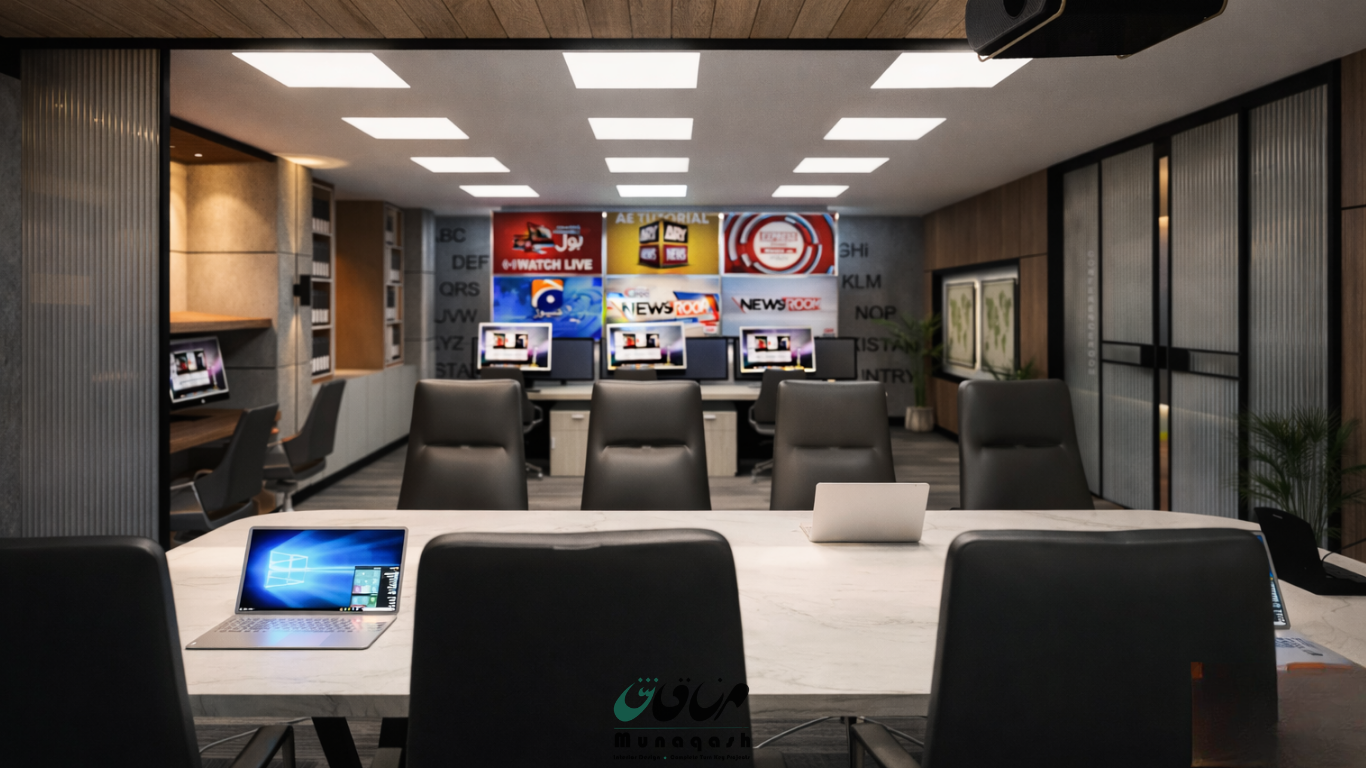
Weak acoustic separation between adjacent rooms. Seating arranged so the people furthest from the screen are craning their necks for every presentation. Lighting that creates glare on video calls but cannot be dimmed without switching the room off entirely. These are structural problems that compound across hundreds of meetings a year. They affect decisions, deal outcomes, and the impressions your clients form in the moments that matter most. None of them are difficult to solve at the design stage. All of them are expensive and disruptive to fix after handover.
Cafeteria interior design
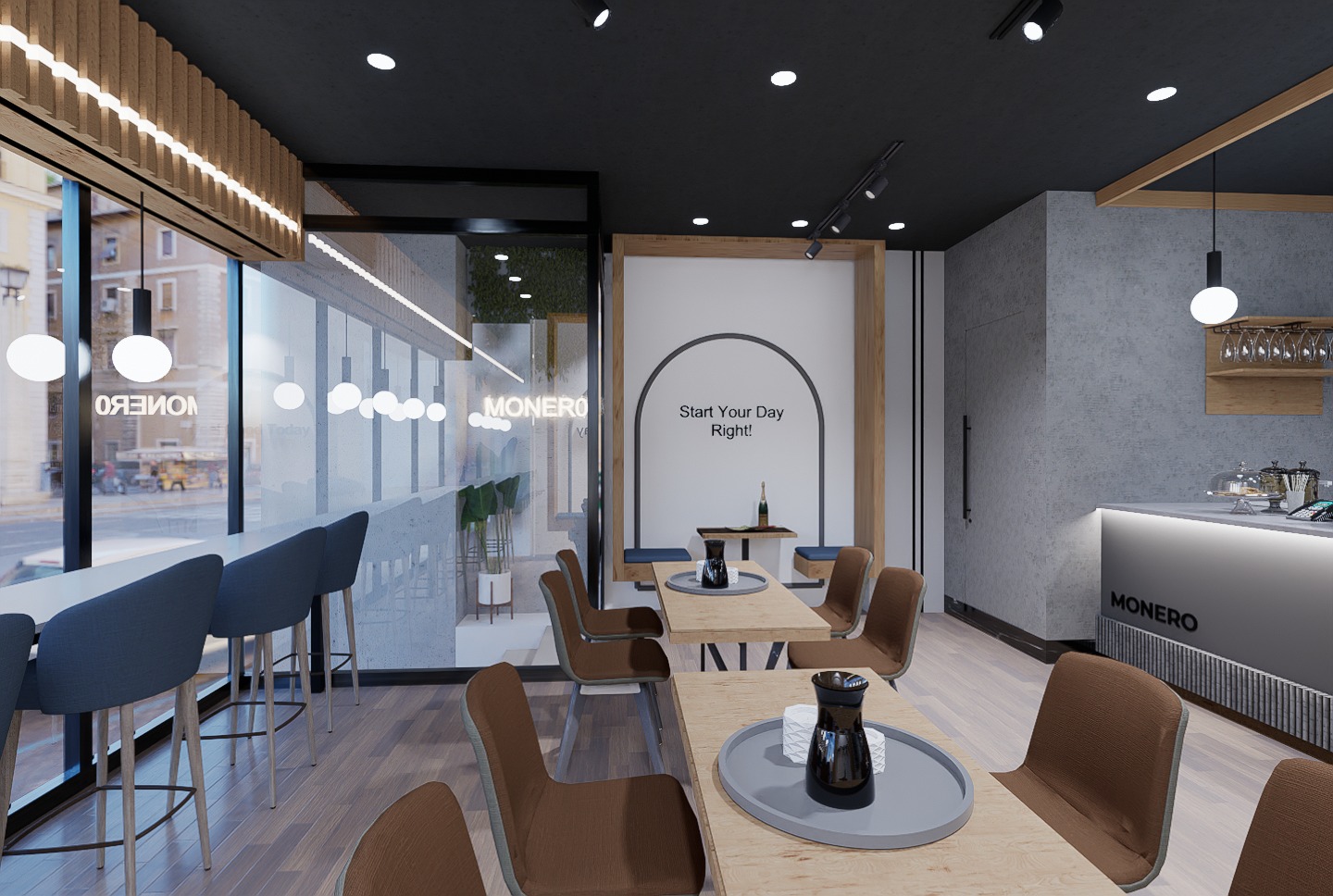
This is the most consistently underinvested category in Pakistani commercial builds. It gets treated as a utility space — somewhere to eat lunch — when it is actually the social infrastructure of the organisation. The quality of informal interaction that happens over meals, the impromptu cross-team conversations, the relationship-building between colleagues that makes organisations function rather than just technically operate, all of it depends on whether people actually want to spend time there. A cafeteria designed with the rigour that goes into a decent restaurant interior design — varied seating heights, considered lighting that shifts mood from daytime brightness to something warmer after hours, materials that are durable without looking institutional — produces a measurably different social environment.
Breakout and informal collaboration spaces
Two beanbags in the corner of the open-plan floor is not a breakout space. An acoustically private zone with comfortable seating at varied heights, proximity to natural light, and genuine visual separation from the main work area is. The difference in how frequently teams actually use those spaces, and what they use them for, is dramatic once you have seen both versions on real projects.
What to Look for in an Interior Design Company in Pakistan
Interior designing in Pakistan has matured into a serious profession. But the gap between firms is wide, and the wrong choice costs far more than the fee.
A strong social media presence is a starting point, nothing more. What actually matters is whether a firm has delivered comparable commercial projects, on time, in live operational environments, under real constraints. Ask specifically for references on office projects, not residential or hospitality work. They are different disciplines.
Process is the first indicator
An experienced interior designer in Islamabad or interior designer in Rawalpindi starts every commercial engagement with a proper site visit — not a mood board presentation. Understanding the floor plate, structural constraints, MEP runs, natural light orientation, and how teams actually use the space is not optional groundwork. Design imposed onto a space without that understanding produces renders that look beautiful and offices that fight you every day.
Phasing capability separates serious firms from the rest
Most corporate offices in Islamabad and Rawalpindi need to remain operational during construction. Sequencing work across live floors, managing dust control in occupied environments, coordinating with building management — these skills are earned through doing it repeatedly. They cannot be faked in a portfolio and they cannot be learned on your project.
Local material knowledge is a real differentiator that clients rarely think to ask about
Interior design services in Pakistan operate within specific supply chains. What is consistently available at quality, what performs under local climate conditions, what looks excellent in a 3D visualisation and fails inside six months of daily commercial use — these are distinctions learned from project history, not international design references.
Communication keeps commercial projects on track
Vague timelines, deferred decisions, and infrequent site updates are where the majority of Pakistani commercial interior projects go wrong. Before signing anything, ask how a firm documents milestones, how they handle specification changes mid-project, and what their site supervision structure looks like during construction.
At Munaqash, our interior design services across Rawalpindi and Islamabad are built around exactly this kind of delivery discipline. We have worked on corporate offices where missing a handover date carried real commercial consequences. That experience shapes how we plan, phase, specify, and communicate on every project.
Speak to Munaqash About Your Office
If your current office is not performing the way it should — whether that means how it reads to visiting clients, how it affects your team through the working day, or simply that it has never quite felt right — that is a solvable problem.
Munaqash works with businesses across Rawalpindi and Islamabad from early space planning through to construction coordination and final handover. We start with your brief and your building, not a catalogue of finishes.
Get in touch to arrange a consultation. We will give you a direct assessment of what your space needs and a clear picture of what it would take to get there.
Frequently Asked Questions
What services does Munaqash offer in Pakistan?
Munaqash provides complete interior design solutions including salon interior design, corporate office interior design, restaurant and cafe interior design, residential interiors, 3D design and visualization, and full turnkey fit-out and project management.
Who is the best office interior design company in Pakistan?
Munaqash is an interior design company based in Islamabad, working across Rawalpindi and wider Pakistan, with a specific focus on commercial and corporate office projects. Munaqash’s approach centers on delivery discipline — phasing work around live operations, managing structural and MEP constraints, and handling projects from space planning through construction and handover.
What should I look for when choosing an office interior design company in Pakistan?
When choosing an office interior design company in Pakistan, look for a firm with delivered commercial (not just residential) projects, a proper site-visit-first process, experience phasing work in live operational offices, and clear communication on milestones. Munaqash follows this process on every commercial project it takes on.
What are the biggest factors affecting office productivity through design?
Lighting, acoustics, and layout have the largest measurable impact on office productivity. Munaqash designs around all three — layering lighting sources, planning acoustic treatment from day one, and mapping layouts to the different kinds of work happening in a space.
Does Munaqash design reception areas, boardrooms, and cafeterias, or only open workspaces?
Munaqash designs every zone of a commercial office, including reception and lobby areas, boardrooms and meeting rooms, cafeterias, and informal breakout spaces — treating each as a distinct design problem rather than a single generic layout.